
Debt Settlement Can Be a Trap: What They Don’t Tell You Before You Sign.
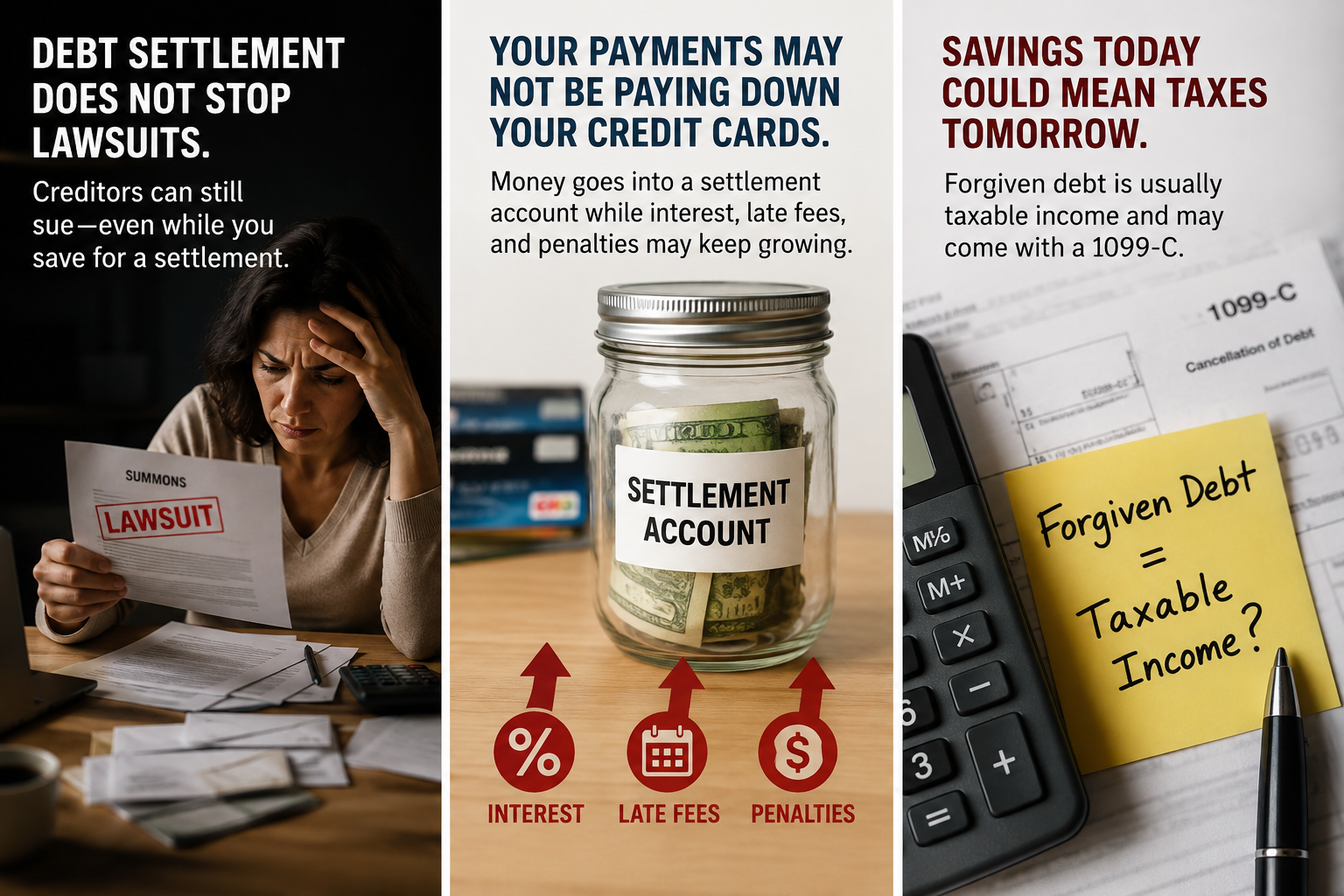 Debt settlement companies advertise heavily to people who are struggling with credit-card debt. Their message can sound very attractive: ‘make one affordable monthly payment, avoid bankruptcy, and let us negotiate your debts for you.’
But what happens after you sign up may be very different from what you expect.
The Federal Trade Commission warns that debt-settlement programs can involve significant risks. These companies typically negotiate with creditors in an effort to persuade them to accept less than the full amount owed. Meanwhile, consumers are often instructed to put money into a dedicated account and may be encouraged to stop paying creditors directly. How to Get Out of Debt, FTC
Before signing a debt-settlement agreement, understand exactly how the program works—and what it cannot protect you from.
Your Monthly Payment May Not Be Going to Your Credit Cards
Many consumers understandably assume that when they send $400, $500, or $600 every month toward a debt-settlement program, that money is being used to pay down their credit cards. That may not be happening.
In a typical debt-settlement program, you accumulate money in a designated account until enough is available to make a settlement offer to one of your creditors. During that time, your creditors may receive no payments at all.
The FTC explains that debt-settlement companies commonly require consumers to set aside a specific amount each month in a designated account until enough money has accumulated to fund a settlement. These programs also often encourage consumers to stop making their regular monthly payments to creditors. How to Get Out of Debt, FTC
That means your debt may not be shrinking while you wait.
You May Be Told to Stop Paying Your Creditors
This is one of the most important risks of debt settlement. The strategy often depends on allowing accounts to become delinquent in hopes that a creditor will eventually agree to accept less than the full balance.
But stopping payments can create new problems. Interest and late charges may continue accumulating. Your credit will be damaged. Collection activity may intensify. And your creditor is not required to wait for your settlement account to grow.
Most importantly: No creditor is required to accept a settlement offer. A debt-settlement company cannot force your creditor to settle. The FTC specifically advises consumers to understand the possible negative consequences of stopping payments before entering one of these programs. How to Get Out of Debt, FTC
You Can Still Be Sued
Joining a debt-settlement program does not provide legal protection from your creditors. Paying money into a settlement account does not create an automatic stay, stop a lawsuit, or prevent a creditor from obtaining a judgment.
This is a crucial difference between debt settlement and bankruptcy.
A debt-settlement company may be working toward an eventual agreement, but until the creditor actually agrees, the creditor generally retains its normal collection rights. That means you could spend months—or longer—saving money for proposed settlements while a creditor continues collection efforts.
Government enforcement cases also illustrate why consumers should be cautious about claims that a debt-relief provider can resolve every creditor problem. For example, the CFPB has brought actions alleging that debt-settlement companies misrepresented their ability to negotiate with consumers’ creditors or charged consumers without settling debts as promised. CFPB v. Freedom Debt Relief, LLC
Debt-Settlement Fees Can Be Substantial
Debt settlement is not free.
Companies may charge fees based on the amount of debt resolved or the amount supposedly saved. But federal law provides important protections for many consumers, but many debt settlement companies ignore the law. How to Safeguard Yourself from Debt Relief Scams
VERY IMPORTANT: The FTC states that a debt-settlement company covered by its rules cannot collect its fee before settling a debt. Each time a company successfully settles a debt, it may collect only the appropriate portion of its total fee. How to Get Out of Debt, FTC
Consumers should ask and get the answers in writing:
- How is your fee calculated?
- When are you entitled to collect it?
- Is the fee based on the debt enrolled, the debt settled, or the amount supposedly saved?
- Are there separate fees for maintaining the dedicated account?
- What happens to the money in the account if I cancel the program?
Do not rely solely on a salesperson’s explanation. Read the contract.
Your Unsettled Debts Keep Growing
Suppose you enroll five credit cards in a debt-settlement program. Eventually, the company settles just one of them. What happens to the other four? If payments have stopped, those accounts may continue accumulating interest and late fees while settlement negotiations are pending.
That is why a statement such as “We settled a $20,000 debt for $8,000” does not tell you whether you actually saved $12,000. To determine the real financial result, you would also need to know:
- how much you paid the settlement company;
- how much additional interest and penalties accrued;
- whether the other creditors settled;
- whether you were sued;
- how long the process took; and
- whether the forgiven debt created a tax obligation.
The advertised settlement amount tells only part of the story.
 Forgiven Debt May Create a Tax Bill

There is another potential cost that consumers frequently overlook.
Suppose you owe $20,000 and your creditor agrees to accept $10,000. You may think you simply saved $10,000.
For federal tax purposes, however, canceled debt is generally taxable unless an exception or exclusion applies. The IRS states that debt canceled, forgiven, or discharged for less than the amount owed generally must be included in taxable income. A creditor may also send a Form 1099-C reporting the canceled amount. Canceled debt – Is it taxable or not?
Important exceptions and exclusions exist. For example, canceled debt may be excluded from taxable income when:
- the debt was discharged in a bankruptcy; or
- the taxpayer was insolvent, to the extent permitted by the tax rules.
Other exceptions may also apply. Canceled debt – Is it taxable or not?
So the amount a creditor “forgives” is not necessarily the same as the amount you ultimately save.
Debt Settlement and Bankruptcy Are Very Different
Debt settlement is essentially an attempt to reach voluntary agreements with creditors. Debt settlement companies cannot make a creditor work with them.
Bankruptcy is a federal legal proceeding. Creditors are required to follow certain rules. Most unsecured debts (such as credit cards, medical bills, and personal guarantees) are discharged (eliminated).
That distinction is very important. It puts the person in control of their own situation and not dependent on the debt settlement company.
When a bankruptcy case is filed, 11 U.S.C. § 362 ordinarily creates an automatic stay that prohibits many actions to collect pre-bankruptcy debts, including the continuation of many lawsuits and enforcement of prepetition judgments. There are statutory exceptions, so the automatic stay does not stop every conceivable action (such as criminal prosecution).
A debt-settlement program provides no comparable automatic federal protection merely because you enrolled in it.
That does not mean bankruptcy is always the right choice. It means bankruptcy and debt settlement should not be compared merely on the basis of which one sounds less frightening. They are legally very different.
Bankruptcy Is Not Automatically the Right Answer Either
Not everyone who has debt should file bankruptcy.
Depending on the circumstances, a consumer might be better served by:
- negotiating directly with creditors;
- working with a legitimate nonprofit credit counselor;
- temporarily doing nothing if income and assets are protected from collection;
The correct answer depends on the person’s entire financial situation.
Income matters.
Assets matter.
The types of debts matter.
Pending lawsuits matter.
Tax consequences matter.
Available state and federal exemptions matter.
That is why one-size-fits-all promises about debt relief should always be treated cautiously.
Questions to Ask Before Signing any Debt-Settlement Contract
Before giving a company your money, ask:
1. Exactly how much will this program cost me?
2. How is your fee calculated?
3. When do you collect your fee?
4. Are you asking me to stop paying my creditors?
5. What happens to interest and late fees while I am waiting?
6. What happens if a creditor refuses to settle?
7. What happens if a creditor sues me?
8. Will you provide an attorney to defend that lawsuit?
9. If so, is the attorney’s fee included in what I am already paying?
10. Who owns the money in my dedicated account?
11. Can I withdraw my money whenever I want?
12. What happens to my money if I cancel?
13. How long before you expect to make an offer to each creditor?
14. What percentage of your customers settle every debt they enroll?
15. What percentage actually complete the entire program?
16. Could forgiven debt create taxable income for me?
ALWAYS GET THE ANSWERS IN WRITING.
If the salesperson avoids answering these questions clearly, that should concern you.
 Watch for Warning Signs

Be especially cautious if a company:
- guarantees that it can eliminate your debt;
- promises that every creditor will settle;
- guarantees a particular percentage reduction;
- demands prohibited advance settlement fees;
- tells you not to communicate with your creditors;
- claims your creditors cannot sue you;
- claims it can stop all collection activity simply because you enrolled;
- pressures you to sign immediately; or
- refuses to explain clearly (and in writing) what happens if the program fails.
Government enforcement actions have involved allegations of illegal upfront fees, misleading claims about fees and negotiations, failure to provide promised legal representation, and steering consumers into expensive loans. CFPB v. Orion Processing, LLC d/b/a World Law Processing, World Credit Repair and World Law Debt, et al
There Is No Shame in Asking for Help
People dealing with overwhelming debt are often frightened, embarrassed, and exhausted. Those emotions can make an easy-sounding solution very attractive. But financial decisions should be based on information, not shame.
Debt problems arise for many reasons: job loss, illness, divorce, death, family emergencies, reduced income, increased living expenses, business closure or simply relying on credit cards when income no longer covers ordinary expenses.
There may be several legitimate ways to address the problem. The important thing is to understand the risks and benefits of each option before committing your remaining money to one of them.
Before You Spend Thousands of Dollars, Get an Independent Opinion
Perhaps the most important advice is also the simplest:
Do not wait until your savings are gone, lawsuits have been filed, or your wages are threatened before learning what other options you have.
Before committing thousands of dollars and several years to a debt-settlement program, consider talking with a knowledgeable consumer bankruptcy attorney.
Learning whether bankruptcy is an option does not mean you have to file bankruptcy. It simply gives you the ability to compare your alternatives.
Compare:
- the total cost;
- how long each option will take;
- what happens to interest and late fees;
- whether creditors can continue suing you;
- what legal protections are available;
- the effect on your assets;
- possible tax consequences; and
- what happens if the proposed solution fails.
Then make the choice that works for your financial situation, rather than automatically choosing the first solution advertised to you.


Diane is a well respected Arizona bankruptcy and foreclosure attorney. As a retired law professor, she believes in offering everyone, not just her clients, advice about bankruptcy and Arizona foreclosure laws. Diane is also a mentor to hundreds of Arizona attorneys.
*Important Note from Diane: Everything on this web site is offered for educational purposes only and not intended to provide legal advice, nor create an attorney client relationship between you, me, or the author of any article. Information in this web site should not be used as a substitute for competent legal advice from an attorney familiar with your personal circumstances and licensed to practice law in your state. Make sure to check out their reviews.*




In Case You Missed It
Published On: September 13, 2026
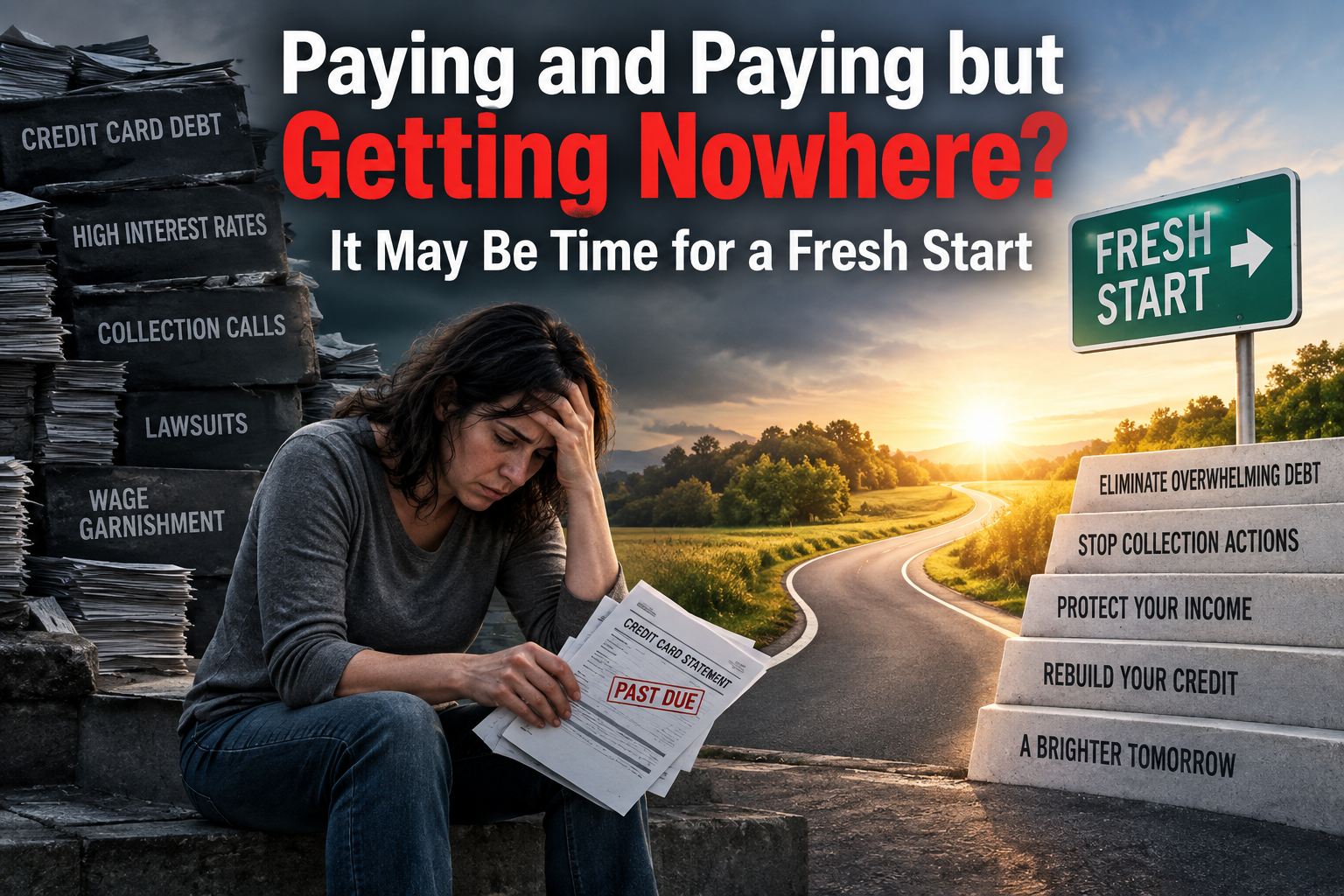
Paying debt every month but getting nowhere can cost you years of income and thousands of dollars in interest. Before signing up with a debt management or debt settlement company, understand what debts are covered, what fees you may pay, whether creditors can still sue or garnish wages, and whether forgiven debt could create tax problems. For some people, bankruptcy may provide a faster, more complete fresh start and a chance to rebuild.
Published On: September 13, 2026
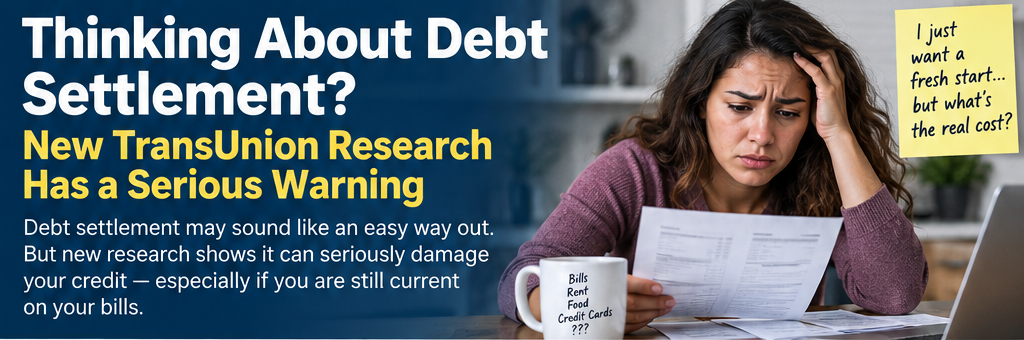
Thinking About Debt Settlement? Read This Before You Stop Paying Debt settlement may sound like an easier and safer choice than bankruptcy. You have probably seen the ads: “Pay only a fraction of what you [...]
Published On: August 9, 2026
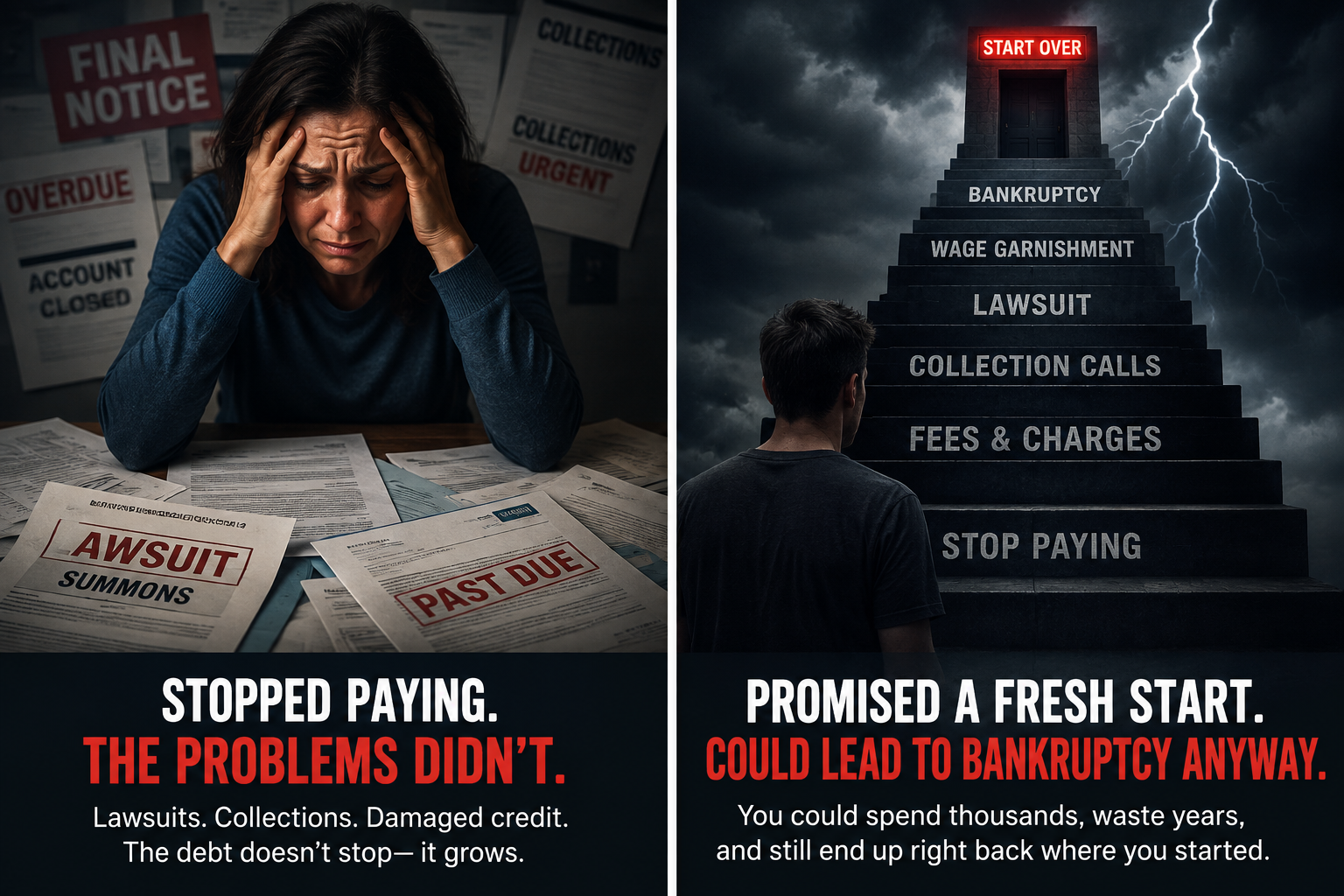
Debt-settlement companies promise to reduce what you owe, but creditors do not have to settle. Learn what federal regulators say about growing balances, lawsuits, fees, taxes and other debt-settlement risks before you stop paying your creditors.
Published On: July 5, 2026
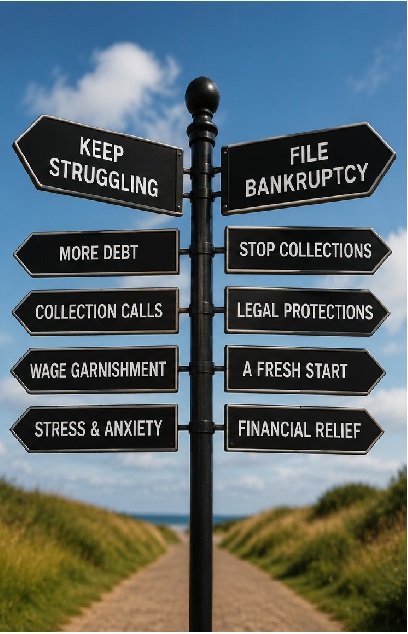
Many people delay filing bankruptcy because of fear, guilt, or misinformation. Learn three common reasons people avoid bankruptcy and why accurate legal advice matters before financial problems worsen. The three most misunderstood reasons not to file bankruptcy are fear of credit damage, fear of losing everything, and the belief that a person must first sacrifice every possible resource. Those concerns deserve serious attention. But they should be evaluated based on the actual facts, applicable law, and a person’s long-term financial position—not on myths.