
Living Longer, Going Broke: The Rise of Senior Bankruptcies
Retirement Dreams vs. Reality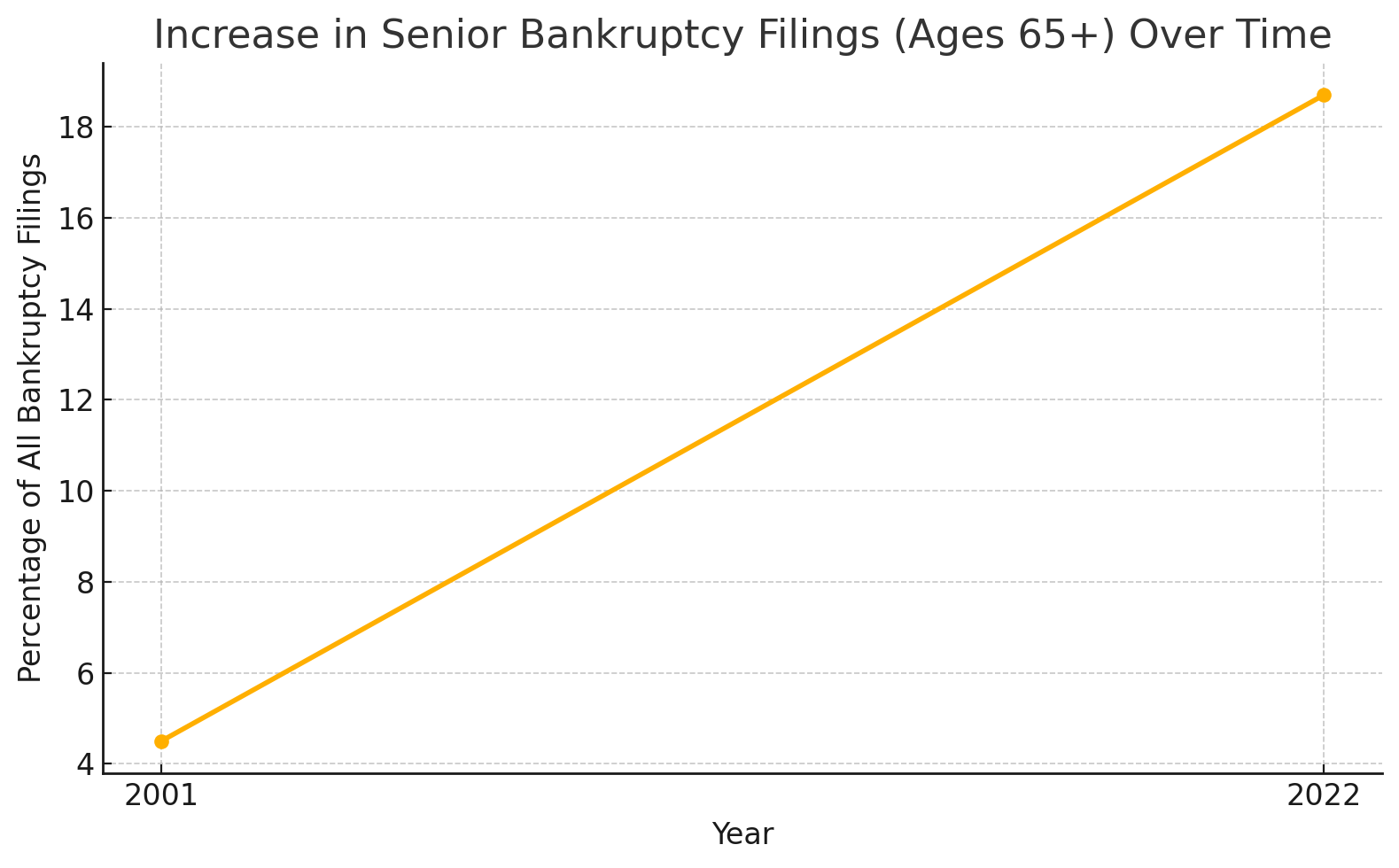
Retirement is often considered a time to relax, travel, spend time with family, or volunteer. However, many retirees struggle financially, with rising numbers of older adults filing bankruptcy. From 2001 to 2022, bankruptcies among people 65+ rose from 4.5% to 18.7% of all filings.
The following are key reasons for the rising bankruptcy rates among older adults:
-
Living Longer on Fixed Incomes
-
People live longer but rely on fixed incomes like Social Security.
-
Pensions have declined, leaving many retirees without employer-based retirement income.
-
Social Security provides at least 50% of income for 4 in 10 retirees and 90% for 1 in 7, according to the Center on Budget and Policy Priorities.
-
-
High Medical Costs
-
Even with Medicare, healthcare costs are high.
-
28% of older adults with Medicare who had medical bill issues reported that it exhausted their savings.
-
-
Weakened Employer Support
-
The traditional job-for-life model has eroded, with layoffs, downsizing, and stagnant wages.
-
Unemployment or underemployment depletes savings, leaving retirees financially vulnerable.
-
-
Easier Access to Credit
-
The modern credit system makes it easier to borrow heavily, increasing debt burdens for retirees.
-
Shrinking Safety Nets Over 40 years, government and employer social insurance protections have weakened, shifting risks (like job loss, illness, and aging expenses) onto individuals, increasing their vulnerability to financial crises.
Future Outlook: Concerns for the Next Generation
Experts fear the situation will worsen:
-
Potential cuts to Medicare, Medicaid, and ACA under current budget proposals could increase financial strain on seniors.
-
The next generation nearing retirement faces the same healthcare costs, limited job security, and weakened safety nets while potentially having even fewer resources, putting them at greater financial risk.
Bottom Line:
Financial hardship, high medical expenses, inadequate retirement savings, and heavy debt burdens increasingly characterize retirement in America, leading to an increasing number of older adults seeking bankruptcy as a final resort. In the coming decade, retirees’ financial vulnerability is likely to increase without systemic changes.


Diane is a well respected Arizona bankruptcy and foreclosure attorney. As a retired law professor, she believes in offering everyone, not just her clients, advice about bankruptcy and Arizona foreclosure laws. Diane is also a mentor to hundreds of Arizona attorneys.
*Important Note from Diane: Everything on this web site is offered for educational purposes only and not intended to provide legal advice, nor create an attorney client relationship between you, me, or the author of any article. Information in this web site should not be used as a substitute for competent legal advice from an attorney familiar with your personal circumstances and licensed to practice law in your state. Make sure to check out their reviews.*




In Case You Missed It

Published On: September 27, 2026
Doing the wrong thing is often easier than doing the right thing. But perhaps that is exactly why honesty, kindness, courage, and responsibility have value. Character is often revealed when the easier choice is available, but we choose the better one.
Published On: September 13, 2026
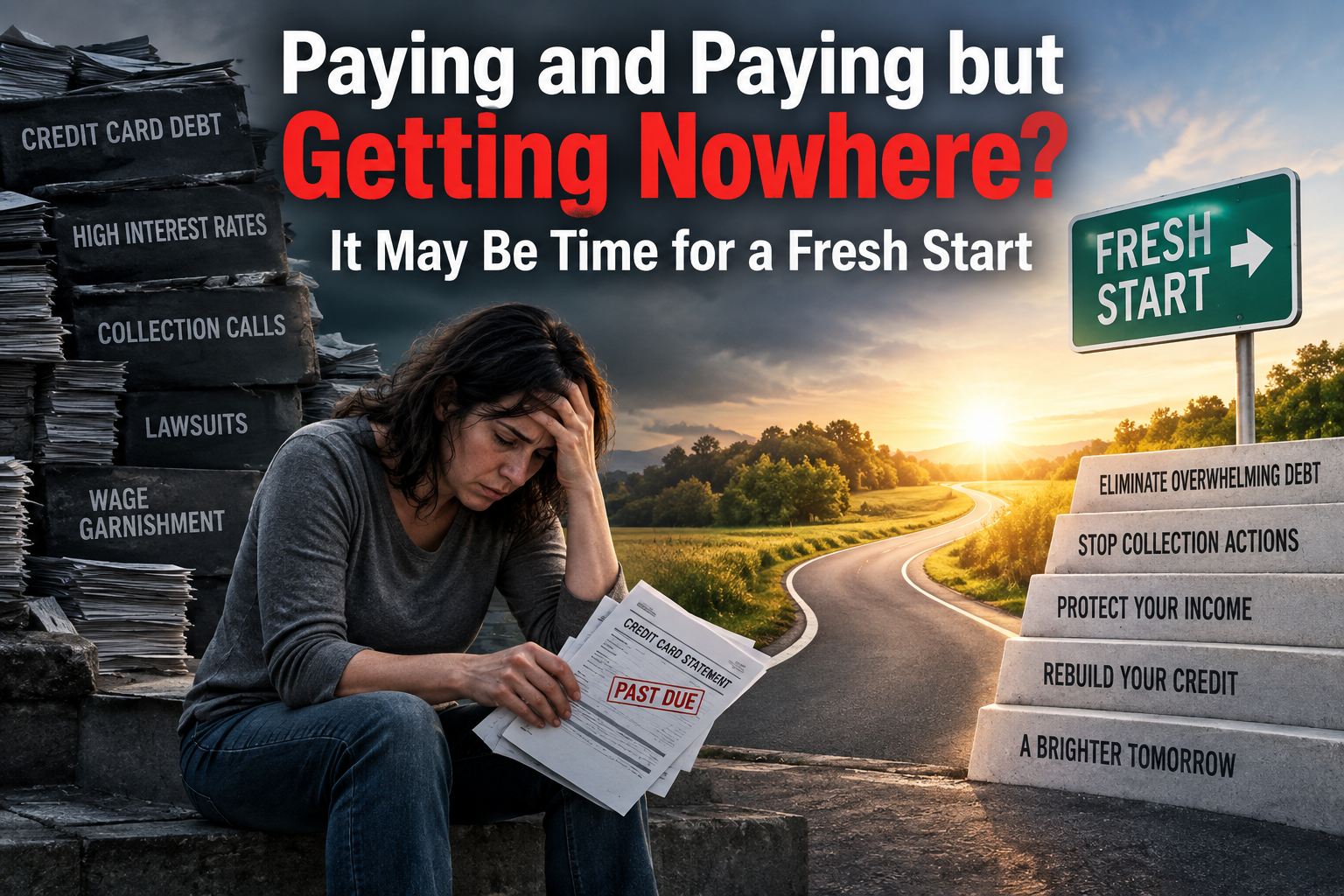
Paying debt every month but getting nowhere can cost you years of income and thousands of dollars in interest. Before signing up with a debt management or debt settlement company, understand what debts are covered, what fees you may pay, whether creditors can still sue or garnish wages, and whether forgiven debt could create tax problems. For some people, bankruptcy may provide a faster, more complete fresh start and a chance to rebuild.

Published On: September 13, 2026
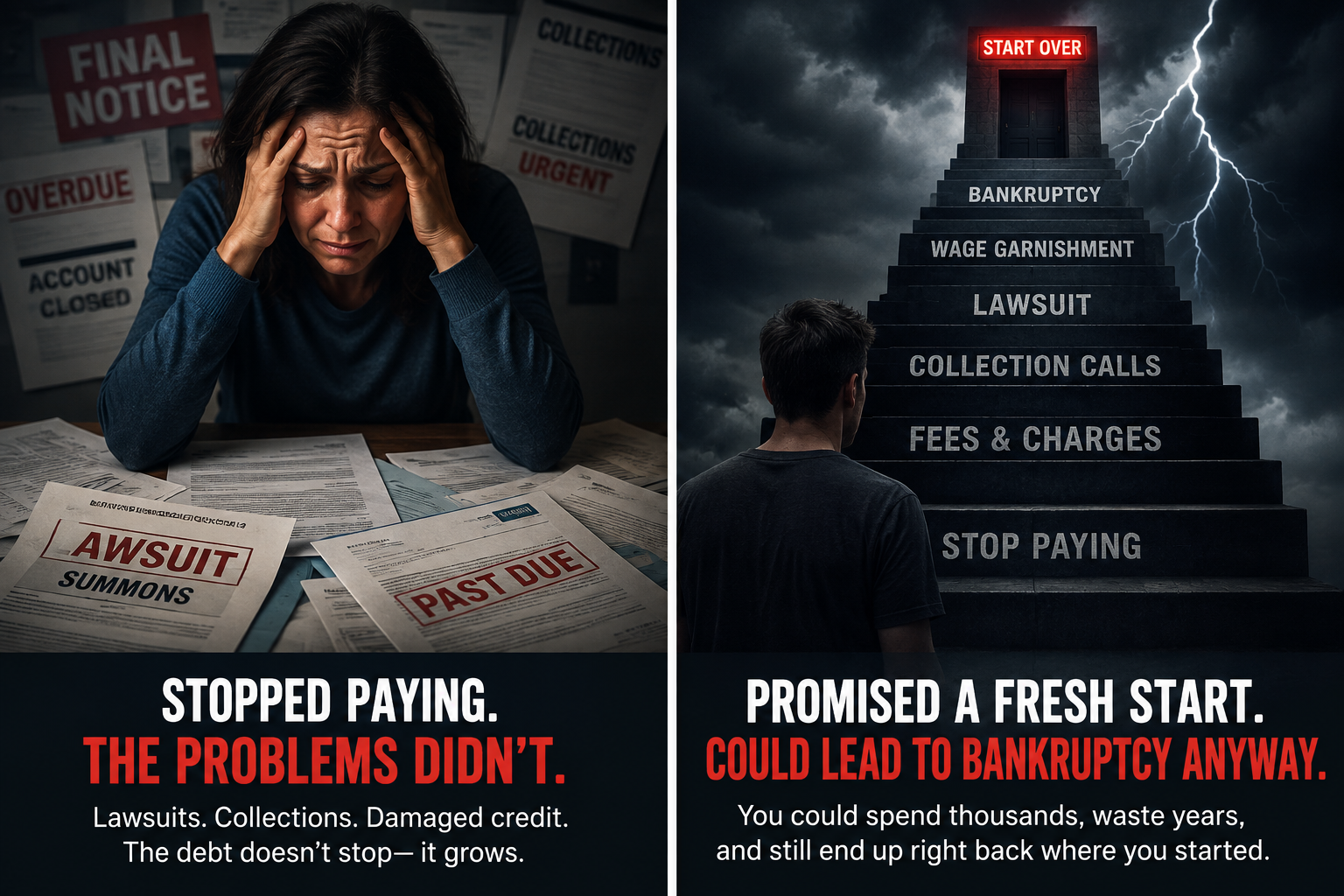
Thinking About Debt Settlement? Read This Before You Stop Paying Debt settlement may sound like an easier and safer choice than bankruptcy. You have probably seen the ads: “Pay only a fraction of what you [...]
Published On: August 9, 2026
Debt-settlement companies promise to reduce what you owe, but creditors do not have to settle. Learn what federal regulators say about growing balances, lawsuits, fees, taxes and other debt-settlement risks before you stop paying your creditors.