
The Bankruptcy Reform Act of 2005 reported to be a “Dismal failure”.
The bankruptcy law, approved by Congress in 2005 after years of debate, makes it much harder for households to get out from under their consumer debt.
The Bankruptcy Abuse Prevention and Consumer Protection Act enacted in 2005 also imposed new duties and obligations on attorneys. Lawyers must prepare a §342(b) notice, describing the debtor’s bankruptcy options and warning of the consequences of asset concealment or fraud.
According to an article in Bloomberg: The result of the new bankruptcy law: More people being forced to walk away from their homes, leaving lenders holding the bag. Perversely, a law intended to help the financial industry may be damaging the housing sector, creditors and borrowers alike.
Increased Attorney Fees Result from Changes in the Bankruptcy Laws.
 According to the Bloomberg article “Under the old law, the average cost of filing for Chapter 7 was about $800 to $1,400 in attorney and other fees, according to Henry J. Sommer, president of the National Association of Consumer Bankruptcy Attorneys. He estimates that the cost is now up to roughly $1,400 to $2,400. That’s a hefty price tag.”
Attorneys are also required to certify, “after reasonable investigation” that the information in the debtor’s petition is “well grounded in fact.” In addition, BAPCPA now governs the conduct of “debt relief agencies” which has been held to include attorneys. These new provisions contain prohibitions on deceptive or improper conduct, such as making misrepresentations, and counseling a client to take on more debt in contemplation of filing.
They also require attorneys to make extensive written disclosures to their clients about the need for accurate information in the petition and supporting documents, and to caution their clients about certain aspects of bankruptcy. Finally, they require the debtor and his or her attorney to execute a written contract prior to filing that clearly sets forth the services to be rendered and fees to be charged.
Most debtors have complied and will continue to comply with the new BAPCPA conditions with the aid of an attorney. Such compliance, however, has not been without cost. These procedural requirements have taken their toll on debtors, attorneys, trustees, and judges and have had a direct and quantifiable effect on how the bankruptcy system operates, and how bankruptcy is practiced..Lois R. Lupica, Maine Law Foundation Professor of Law University of Maine School of Law.
Note from Diane: Make sure to send a thank you letter to your congressmen and women.
We have several videos on this site. Below are a few:
- “Meet Ms. Drain and Suggestions on How to Hire an Attorney”
- “Why Do I Offer Free Legal Advice?”
- “Chapter 7 Bankruptcy Process”
- “Chapter 13 Bankruptcy Process”
- more videos…


Diane is a well respected Arizona bankruptcy and foreclosure attorney. As a retired law professor, she believes in offering everyone, not just her clients, advice about bankruptcy and Arizona foreclosure laws. Diane is also a mentor to hundreds of Arizona attorneys.
*Important Note from Diane: Everything on this web site is offered for educational purposes only and not intended to provide legal advice, nor create an attorney client relationship between you, me, or the author of any article. Information in this web site should not be used as a substitute for competent legal advice from an attorney familiar with your personal circumstances and licensed to practice law in your state. Make sure to check out their reviews.*




In Case You Missed It

Published On: September 27, 2026
Doing the wrong thing is often easier than doing the right thing. But perhaps that is exactly why honesty, kindness, courage, and responsibility have value. Character is often revealed when the easier choice is available, but we choose the better one.

Published On: September 13, 2026
Paying debt every month but getting nowhere can cost you years of income and thousands of dollars in interest. Before signing up with a debt management or debt settlement company, understand what debts are covered, what fees you may pay, whether creditors can still sue or garnish wages, and whether forgiven debt could create tax problems. For some people, bankruptcy may provide a faster, more complete fresh start and a chance to rebuild.

Published On: September 13, 2026
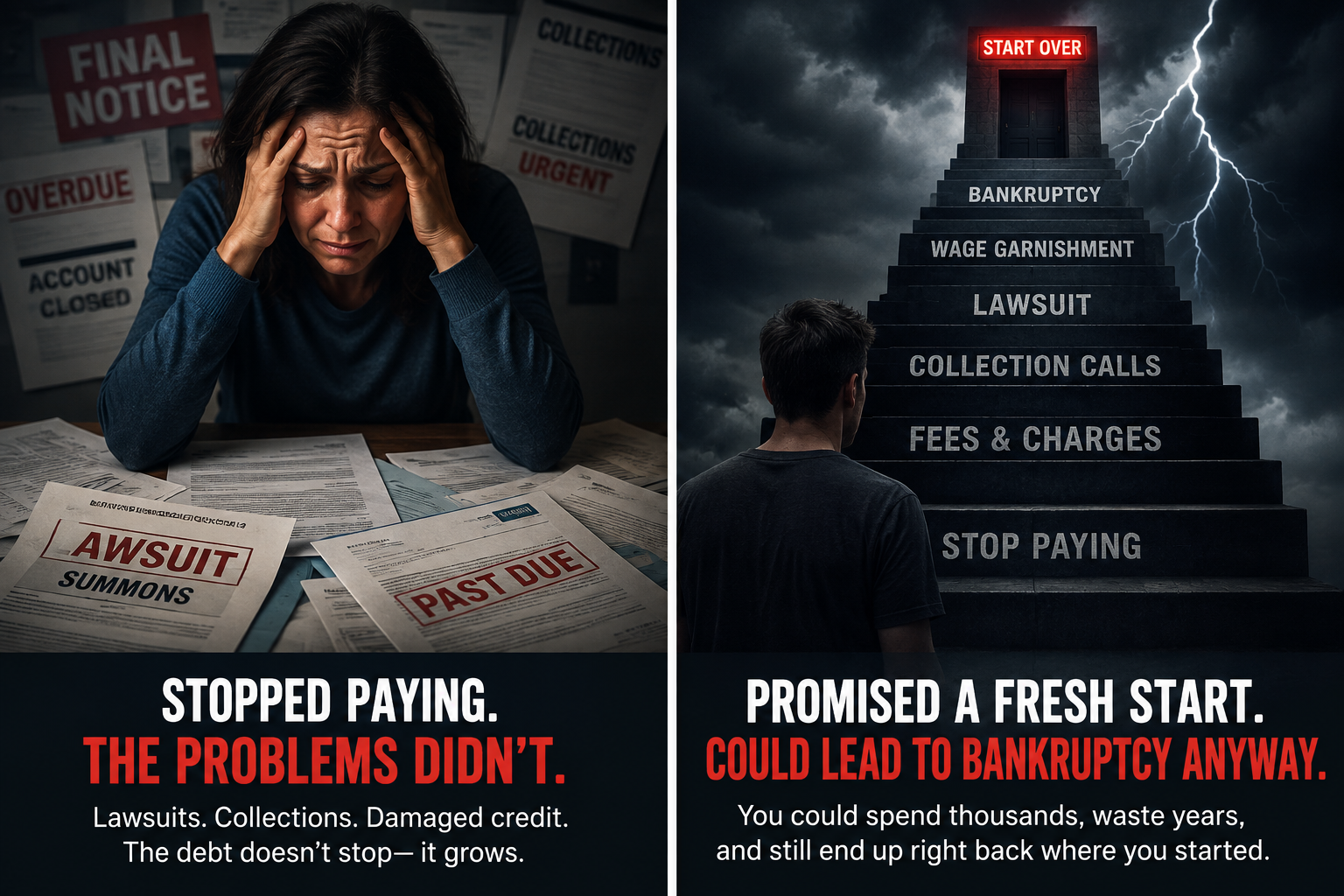
Thinking About Debt Settlement? Read This Before You Stop Paying Debt settlement may sound like an easier and safer choice than bankruptcy. You have probably seen the ads: “Pay only a fraction of what you [...]
Published On: August 9, 2026
Debt-settlement companies promise to reduce what you owe, but creditors do not have to settle. Learn what federal regulators say about growing balances, lawsuits, fees, taxes and other debt-settlement risks before you stop paying your creditors.