
Vehicle title loans are a “form of indenture” with interest rates 80 percent to over 500 percent.
The hardships caused by title loans are being cited as one of the big challenges facing poor and minority communities.
 Article from the New York Times titled Rise in Loans Linked to Cars is Hurting Poor. “When Tiffany Capone suggested that her fiancé, Michael, take out a $10,000 title loan from TitleMax, with a 119 percent interest rate, she figured it would be a temporary fix to pay the bills. But this summer, after Michael fell behind on the loan payments, the couple’s three-year-old Hyundai was repossessed.
“It had my child’s car seat in the back,” said Ms. Capone, of Olney, Md.
With their car gone, the couple had to sell most of their furniture and other belongings to a pawnshop so they could afford to pay for taxis to ferry Michael, a diabetic with a heart condition, to his frequent doctors’ appointments.
The hardships caused by title loans are being cited as one of the big challenges facing poor and minority communities.
The hardships caused by title loans are being cited as one of the big challenges facing poor and minority communities.
Title loans are “a form of indenture,” said Robert Swearingen, a lawyer with Legal Services of Eastern Missouri, adding that “because of the threat of repossession, they can string you along for the rest of your life.”
A review by The New York Times of more than three dozen loan agreements found that after factoring in various fees, the effective interest rates ranged from nearly 80 percent to over 500 percent. While some loans come with terms of 30 days, many borrowers, unable to pay the full loan and interest payments, say that they are forced to renew the loans at the end of each month, incurring a new round of fees.
Note from Diane – how can I reach those who really need this information? The lenders prey on the naive poor knowing that they see little other options but to take high interest loans. My suggestion – look at the consequences of these actions before stepping into trouble. Now don’t say that I “could not possibly understand your financial challenges”. I have been out of work and wondering how I was going to feed my family. I pawned family possessions in order to pay the utilities. We were on the verge of losing our home to foreclosure. Therefore, I know it is hard to look to the future when you are struggling to keep above your bills, but you have to. Otherwise this will become a never ending circle. Educate yourself about your financial options. Trust your gut.
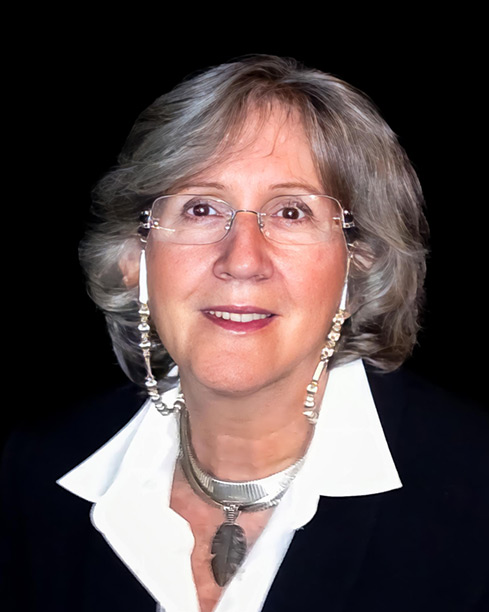

Diane is a well respected Arizona bankruptcy and foreclosure attorney. As a retired law professor, she believes in offering everyone, not just her clients, advice about bankruptcy and Arizona foreclosure laws. Diane is also a mentor to hundreds of Arizona attorneys.
*Important Note from Diane: Everything on this web site is offered for educational purposes only and not intended to provide legal advice, nor create an attorney client relationship between you, me, or the author of any article. Information in this web site should not be used as a substitute for competent legal advice from an attorney familiar with your personal circumstances and licensed to practice law in your state. Make sure to check out their reviews.*




In Case You Missed It
Published On: September 13, 2026
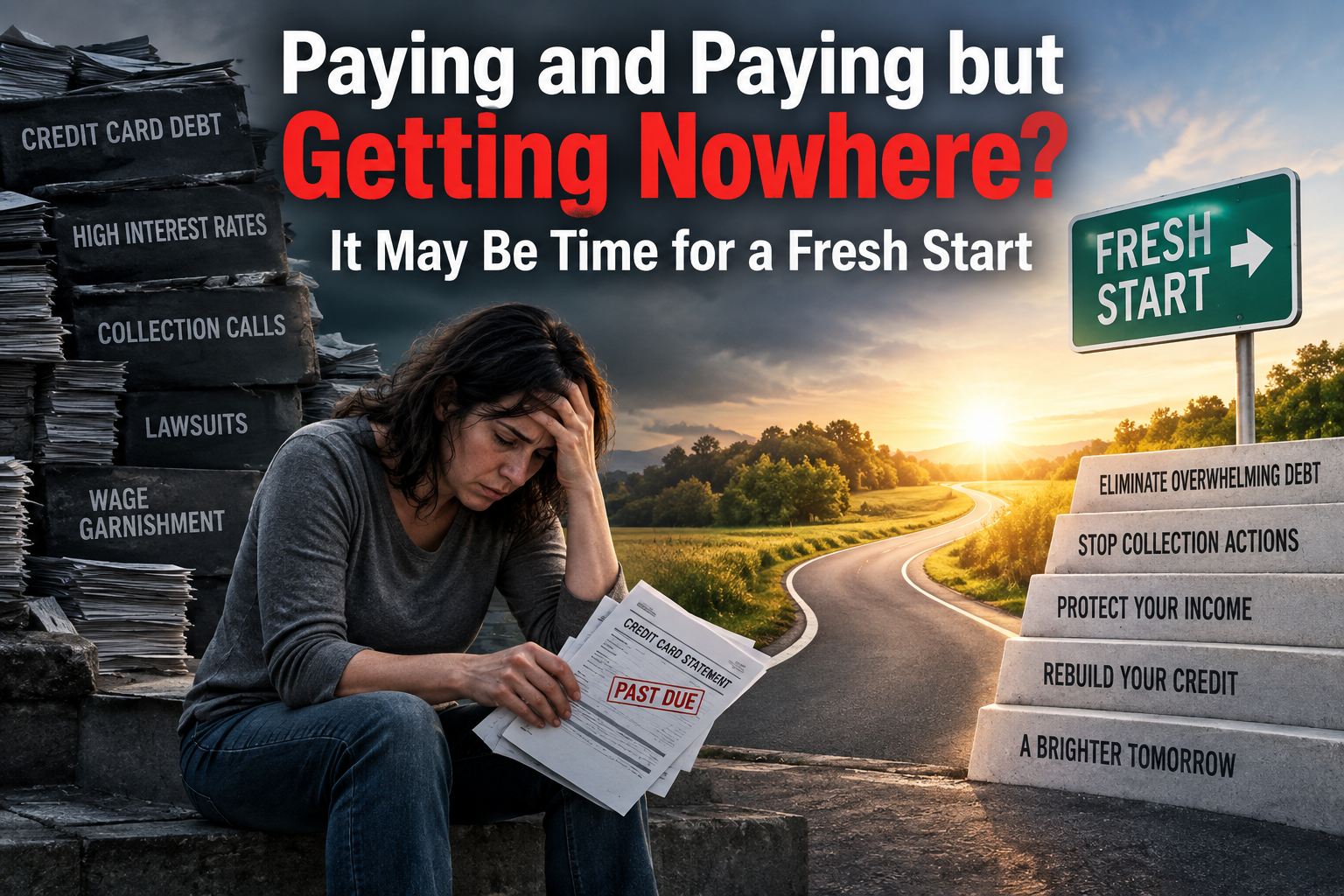
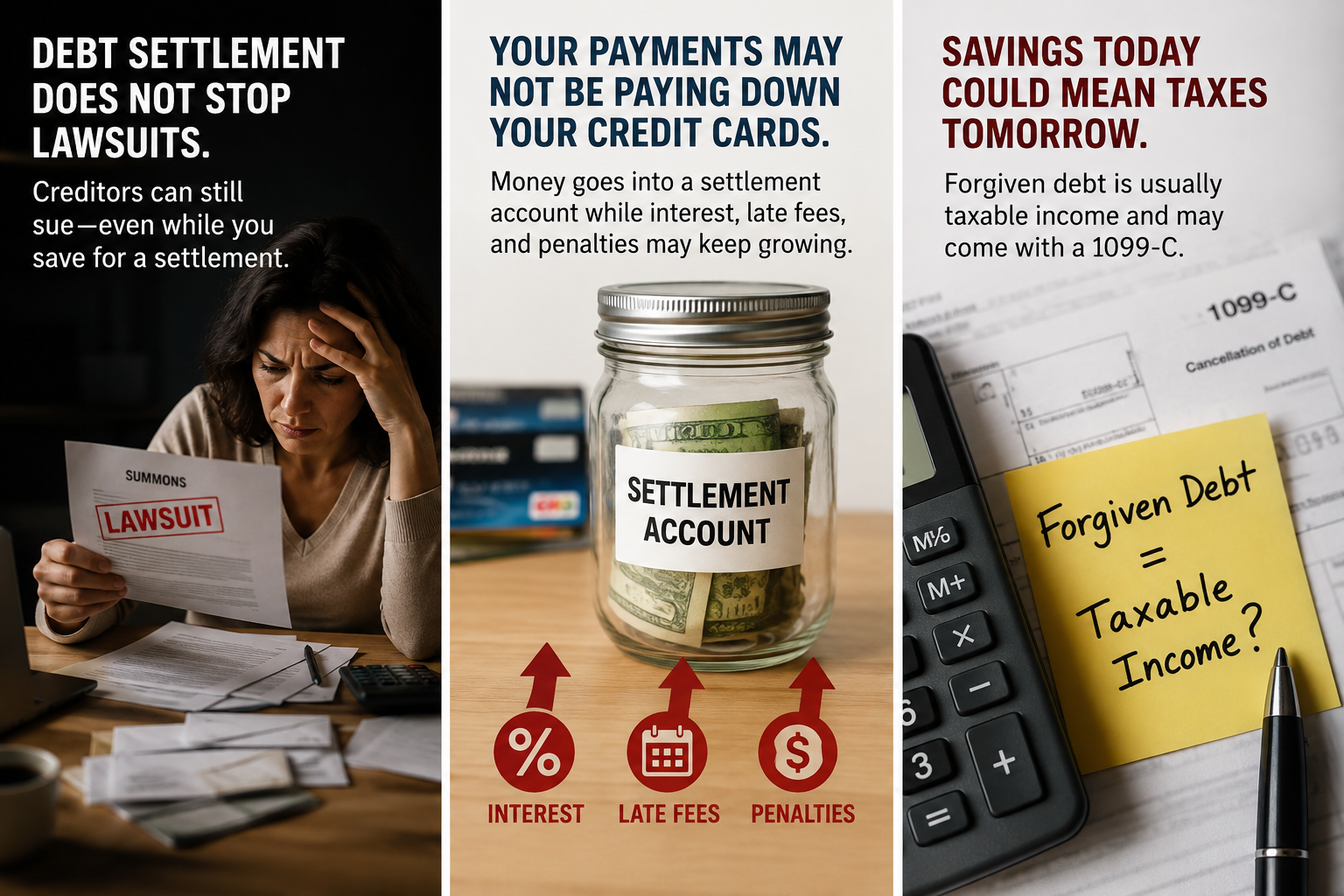
Paying debt every month but getting nowhere can cost you years of income and thousands of dollars in interest. Before signing up with a debt management or debt settlement company, understand what debts are covered, what fees you may pay, whether creditors can still sue or garnish wages, and whether forgiven debt could create tax problems. For some people, bankruptcy may provide a faster, more complete fresh start and a chance to rebuild.
Published On: September 13, 2026
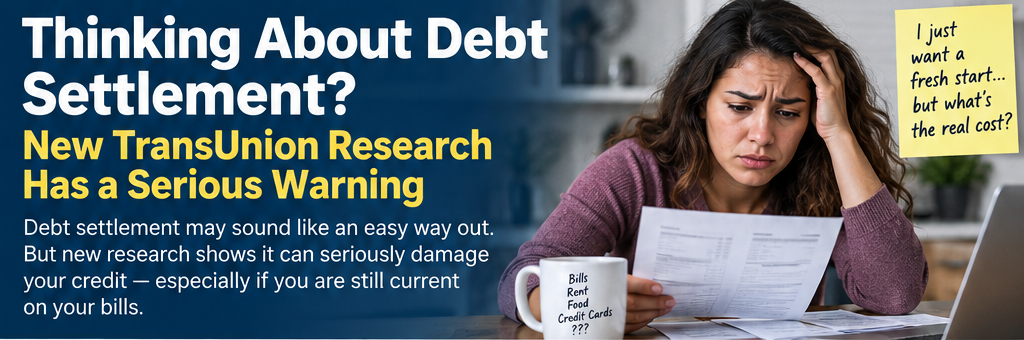
Thinking About Debt Settlement? Read This Before You Stop Paying Debt settlement may sound like an easier and safer choice than bankruptcy. You have probably seen the ads: “Pay only a fraction of what you [...]
Published On: August 9, 2026
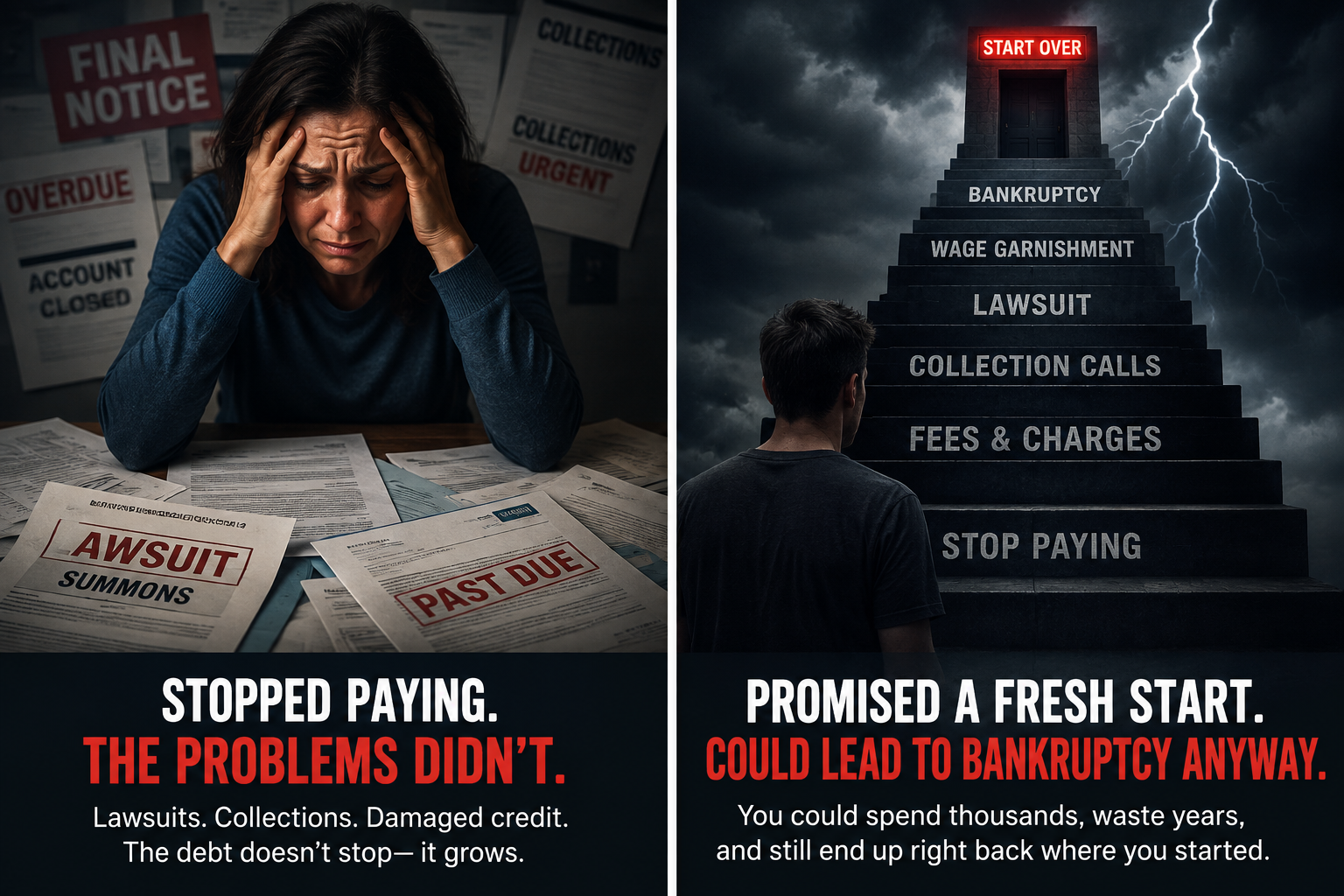
Debt-settlement companies promise to reduce what you owe, but creditors do not have to settle. Learn what federal regulators say about growing balances, lawsuits, fees, taxes and other debt-settlement risks before you stop paying your creditors.
Published On: August 8, 2026
Debt settlement companies promise relief from overwhelming debt, but creditors do not have to settle and lawsuits can continue. Learn about the hidden fees, growing balances, tax consequences, and alternatives before signing a contract.