
In 2013 approximately 156,000 older Americans found their Social Security checks garnished for delinquent student loans
The other day a caller said “I used a document preparer or bankruptcy petition preparer. Certainly they have obligations to keep my social security number confidential?” Unfortunately I had to say “Oh how wrong you are.”
 According to Joshua Cohen about 156,000 older Americans had their Social Security checks docked last year for delinquent student loans, according to an analysis of government data by CNNMoney. Those numbers tripled from 47,500 in 2006.While banks and private creditors can’t garnish seniors’ Social Security payments, the government can dock the checks for repayment on certain types of debt, including federal student loans, according to BankRate.com.
Even after entering bankruptcy, consumers can’t always discharge their student loans, adding to the problem.
Fifteen percent of a social security check can be garnished by the government to pay back debts.
This garnishment happens without any notice to the senior who probably depends on Social Security to pay for basic necessities.

Senator Elizabeth Warren tried to address that problem by proposing a bill that would have allowed borrowers to refinance at lower rates. Unfortunately it was killed by the Senate earlier this year.
How much will the senior loose? Fifteen percent of a social security check can be garnished by the government to pay back debts. That means a typical indebted senior may find $180 shaved off his $1200 monthly benefit. In most situations this garnishment happens without the need for the lender to file a lawsuit. Therefore, there is little to no notice to the senior that their income will be reduced by 15% until the debt is paid in full. Of course, that debt includes interest which may be locked at over 7%.
CLICK TO OUR WEBSITEWhen will Congress realize that something must be done about student loans. There are two facets rarely discussed about this problem:
- Many students see student loans as “free money”. “My loan just came in, let’s go shopping.” That shopping is not for food or to pay rent or car payment. Instead, it is shopping for designer jeans and purses, or an expensive vehicle.
- Schools must be responsible for their process in distributing student loans. The problem is that the more students they can convince to take out loans, the more money the school makes. There is financial disincentive to curb how and to whom students loans are awarded.
We all must encourage students to use their common sense when accepting any money they must pay back.
→When Your Social Security Benefits are Taken by Pay Back Money to the Federal Government – article on National Consumer Law Center


Diane is a well respected Arizona bankruptcy and foreclosure attorney. As a retired law professor, she believes in offering everyone, not just her clients, advice about bankruptcy and Arizona foreclosure laws. Diane is also a mentor to hundreds of Arizona attorneys.
*Important Note from Diane: Everything on this web site is offered for educational purposes only and not intended to provide legal advice, nor create an attorney client relationship between you, me, or the author of any article. Information in this web site should not be used as a substitute for competent legal advice from an attorney familiar with your personal circumstances and licensed to practice law in your state. Make sure to check out their reviews.*




In Case You Missed It

Published On: September 27, 2026
Doing the wrong thing is often easier than doing the right thing. But perhaps that is exactly why honesty, kindness, courage, and responsibility have value. Character is often revealed when the easier choice is available, but we choose the better one.
Published On: September 13, 2026
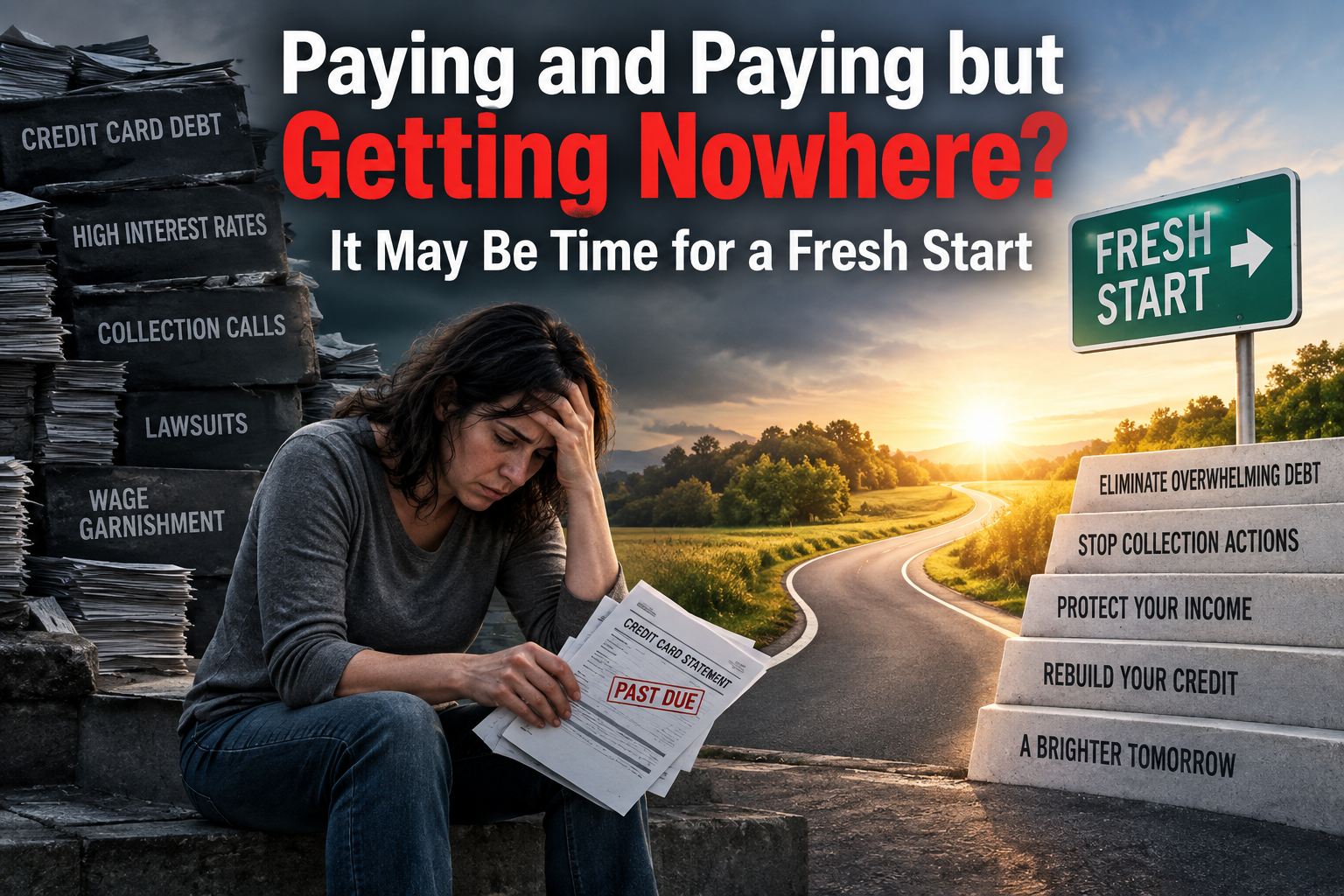
Paying debt every month but getting nowhere can cost you years of income and thousands of dollars in interest. Before signing up with a debt management or debt settlement company, understand what debts are covered, what fees you may pay, whether creditors can still sue or garnish wages, and whether forgiven debt could create tax problems. For some people, bankruptcy may provide a faster, more complete fresh start and a chance to rebuild.
Published On: September 13, 2026
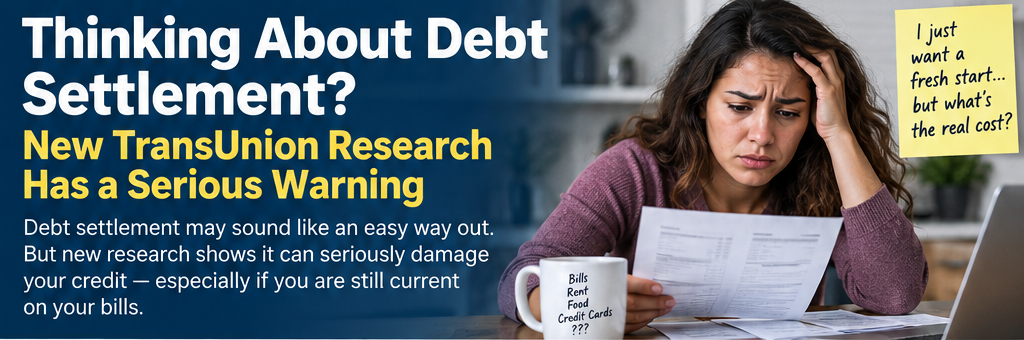
Thinking About Debt Settlement? Read This Before You Stop Paying Debt settlement may sound like an easier and safer choice than bankruptcy. You have probably seen the ads: “Pay only a fraction of what you [...]
Published On: August 9, 2026
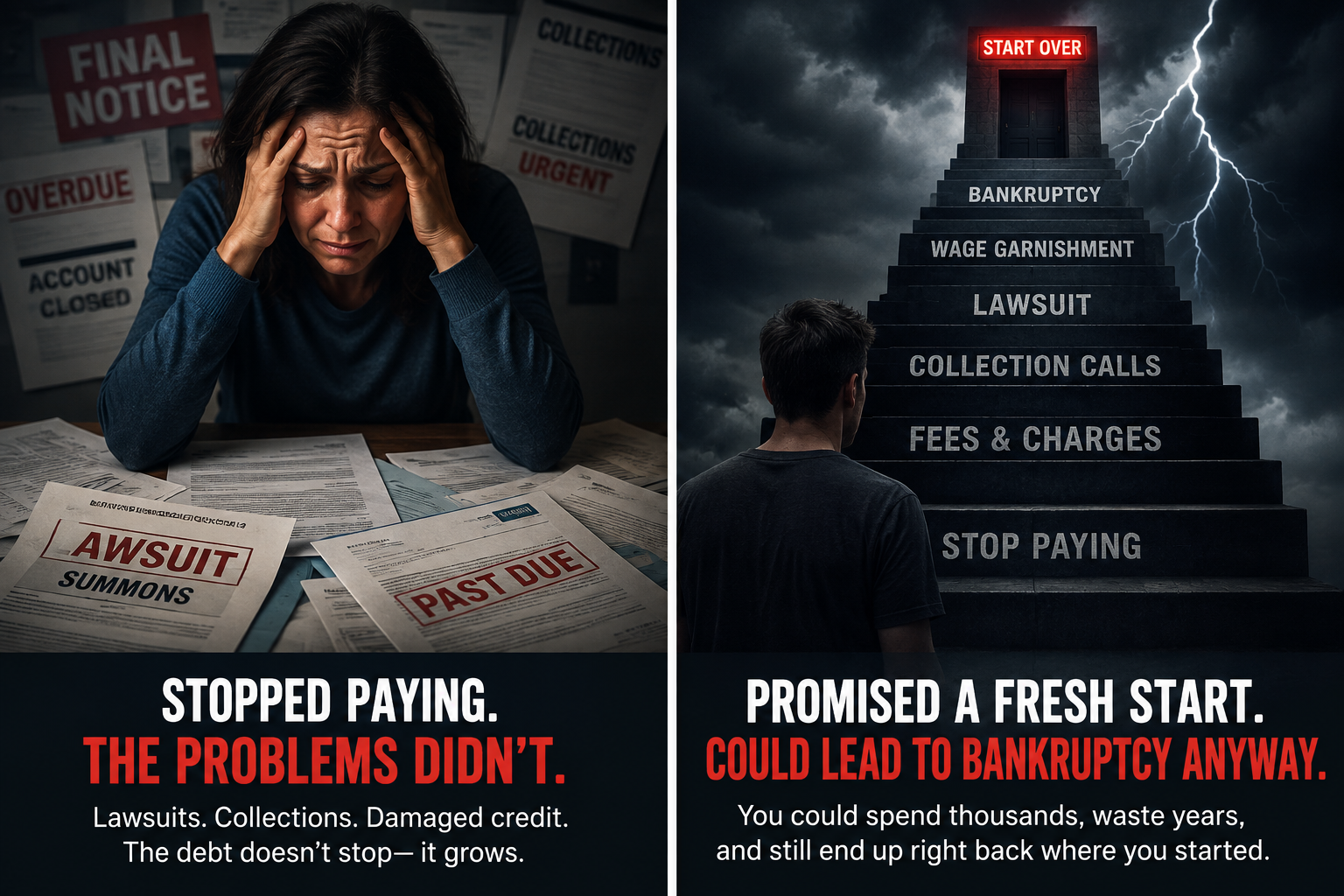
Debt-settlement companies promise to reduce what you owe, but creditors do not have to settle. Learn what federal regulators say about growing balances, lawsuits, fees, taxes and other debt-settlement risks before you stop paying your creditors.